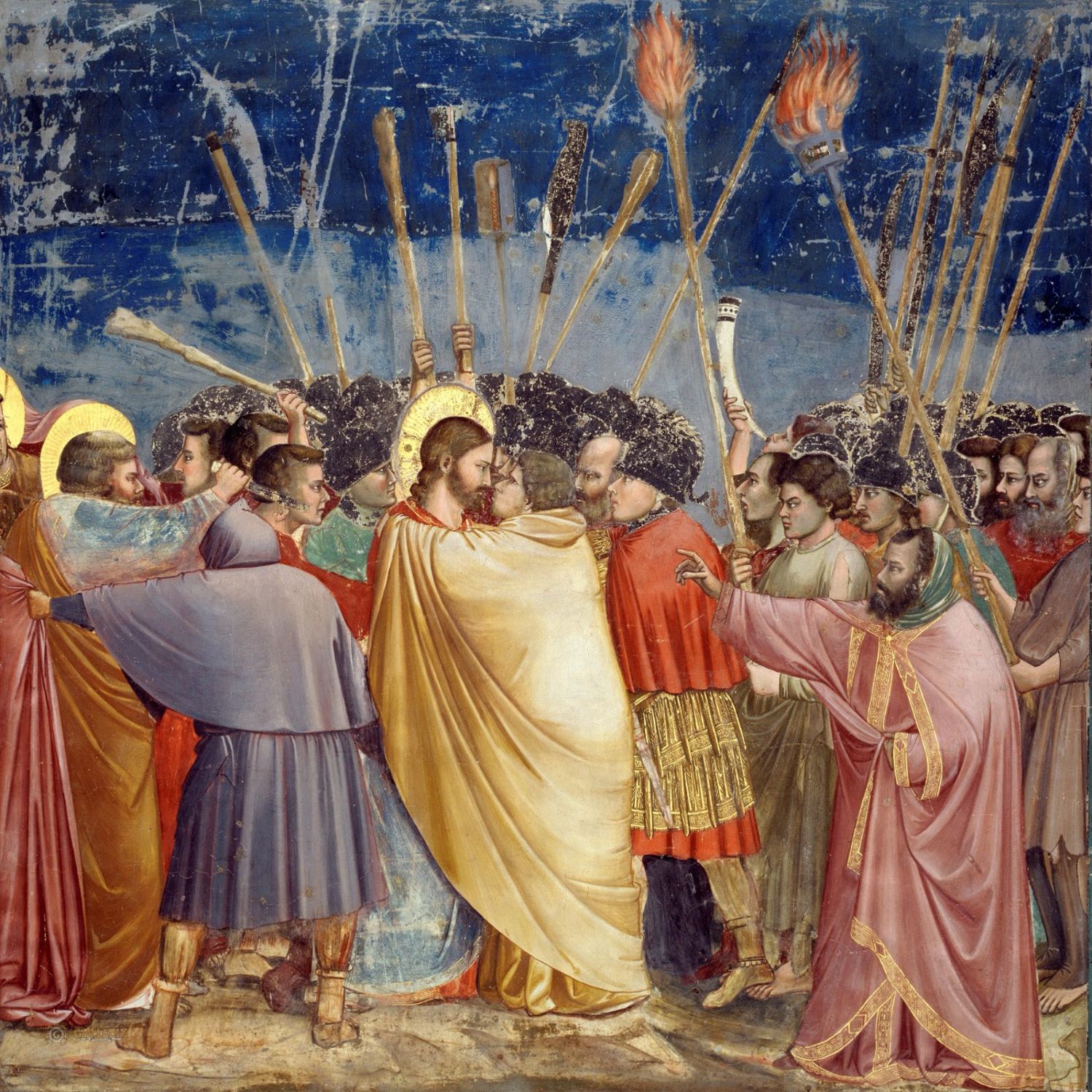
In this episode of Catechism and Bible Study with the Council of Catholic Men, we delve into the Acts of the Apostles, focusing on Chapter 6. We explore the early Christian community's challenges, particularly the neglect of Hellenist widows, and the appointment of seven reputable men, including Stephen, to assist the apostles. This discussion highlights the importance of the diaconate and the role of deacons in the church, drawing parallels to modern-day church administration. We also reflect on the martyrdom of Stephen, whose wisdom and spirit could not be withstood by his accusers, and the implications of his defense before the Sanhedrin.
We also discuss the sacrament of baptism, its necessity, and its significance in the Catholic faith. The conversation touches on the historical context of baptism, its form, and the role of the Holy Spirit. We explore the differences between various Christian denominations and the Catholic Church's stance on baptism, including the acceptance of baptisms performed by heretics under certain conditions. Additionally, we reflect on the life and martyrdom of Saint Adalbert, Bishop of Prague, and his missionary work among the pagans, highlighting the challenges and triumphs of spreading the Christian faith in medieval Europe.
Alright. Welcome, everyone, to Catechism and Bible Study with the Council of Catholic Men. It's 04/23/2025. And let's begin with the Our Father. In the Father. In the Father, Son, and of the Holy Spirit. Amen. Our Father, who art in heaven, hallowed be thy name. Thy kingdom come, thy will be done, on earth as it is in heaven. Give us this day our daily bread, and forgive us our trespasses, as we forgive those who trespass against us. And lead us not into temptation, but deliver us from evil. Amen. In the name of the Father, Son, and the Holy Spirit. Amen. We're dedicating this, Bible study to the memory of Pope Francis who passed away on Monday, on Easter Monday. And today is Easter Wednesday.
And we're on the acts of the apostles right now, and that's chapter five. I'm using the new American bible. Okay. You're on six? You're right. We're on six. And we're on six. So do you want me to read or you wanna read? I'm looking for Okay. I'll read up till the accusation against Steven. Okay. Because we're gonna read just chapter six. K. Chapter six. The need for assistance. At that time, as the number of disciples continued to grow, the Hellenists complained against the Hebrews because their widows were being neglected in the daily distribution. So the 12 called together the community of the disciples and said, it is not right for us to neglect the word of God to serve at table.
Brothers, select from among you seven reputable men filled with the spirit and wisdom whom we shall appoint to this task. Whereas, we shall devote ourselves to prayer and to the ministry of the word. The proposal was acceptable to the whole community, so they chose Stephen, a man filled with faith and the Holy Spirit. Also, Philip, Prochorus, Nicanor, Timon, Perimenis, and Nicholas of Antioch, a convert to Judaism. They presented these men to the apostles who prayed and laid hands on them. The word of God continued to spread, and the number of the disciples in Jerusalem increased greatly.
Even a large group of priests were becoming obedient to the faith. Go ahead, John. Thank you. Accusations against Stephen.
[00:03:08] Unknown:
Now Stephen filled with grace and power, who was working wonders and signs among the people. Certain members of the so so called synagogue of freed men, Cyrenius, Alexandria, and people from Cicelycia and Asia came forward and debated with Stephen, but they could not with withstand the wisdom and the spirit with which he spoke. Then they instigated some into say, we have heard him speaking blasphemous words against Moses and God. They stirred up the people, the elders and the scribes, accussed him, seized him, and brought him before the Sanhedrin. They presented false witness who testified.
This man never stopped saying things against his holy place and the law. For we have heard hymns claim that Jesus from Nazareth will destroy this place and change the customs that Moses handed down to us. All of those who sat in the Sanhedrin looked intently at him and saw that his face was like the face of an angel. Alright.
[00:04:17] Unknown:
So I'm gonna read about chapter six, the footnotes, and we'll go by by verse by verse what we just read. We have a little bit left to do. You do? No, no that's chapter seven. Okay. It goes on to the discourses of Stephen after chapter six. Good enough. Chapter six. Okay. The Hellenists. So this is verse one through seven. The Hellenists, the Hebrews, the Hellenists were not necessarily Jews from the diaspora, but were more probable, probably Palestinian Jews who spoke only Greek. The Hebrews were Palestinian Jews who spoke Hebrew or Aramaic and who may also have spoken Greek.
Both groups belong to the Jerusalem Jewish Christian community. The conflict between them leads to a restructuring of the community that will better serve the community's needs. The real purpose of the whole episode, however, is to introduce Stephen as a prominent figure in the community whose long speech and martyrdom will be recounted in chapter seven. So the Hellenists and the Hebrews. So there were two groups of people, and that's where it talks about, there are some that weren't be being served at the table, and they were neglected there were some that were neglected in the daily distribution of goods more than likely. Mhmm. So they felt shorted. They're, you know, felt cheated or felt just neglected, I guess, is the best word to to use. So they had to decide because the apostles, it sounds like they were busy, with scripture, with trying trying to it says here, the widows. So I'd assume the widows when you think of widows, you think of orphans and widows, people who can't take care of themselves.
So somehow they were being neglected, whereas the apostles wanted to be able to preach the word of God. And they couldn't do that so long as they had had to take care of the daily needs. It'd be kind of like priests having to take care of elderly people in in a, an old folks home today. I I guess that probably be the best way to relate it. It's like the priest should be serving the the people in his role, and there should be people besides that to do, like, the administrative work. Like, we have deacon Stan today. He's he takes the role of deacon because they ended up choosing seven of them.
Stephen was one of them. Saint Stephen, who was the first martyr. So, anyway, let's let's go back go to, verses two through four. The the essential function of the 12 is the service of the word, including development of the by formulation of the teachings of Jesus. So the 12, meaning the 12 apostles. Verse two, to serve at table. Some commentators think that it is not the serving of food that is described here, but rather the keeping of the accounts that recorded the distribution of food to the needy members of the community. In any case, after Steven and the others are chosen, they are never presented carrying out the task for which they were appointed.
Rather, two of their number, Stephen and Philip, are presented as preachers of the Christian message. They, the Hellenist counterpart of the 12, are active in the ministry of the word. And then chapter or verse six, they laid hands on them. The customary Jewish way of designating persons for a task and invoking upon them the divine blessing and power to perform it. So laying on hands. When you think about it, since they became deacons, the first step to becoming a priest is you first ordained a deacon, and this is about the sacrament of order or the holy orders as we call it, which is the priesthood.
It starts with the deacon who is laid hands on in a special ceremony, And then later, the priest of deacon then becomes a priest. And the same thing happens, the laying of hands by by the clergy on that person, that candidate. And then the highest form of the holy orders is that of bishop, and the bishops are it's the same thing. They're they're laid hands upon by the the bishops ordaining them. And I think it takes a bishop to ordain a bishop. And they can't ordain a bishop without the approval of the see of Saint Peter, which is Rome.
But then again, it's interesting because right now, we don't have a pope. The vacant the the seat of Peter is vacant. It's called set of vacant. So it means the seat is vacant. So I don't know what happens in that time period. Who decides who can be a bishop and who can't? What do you John, what do you think about that? That's kind of an interesting
[00:10:13] Unknown:
question, isn't it? It's like during this time period Isn't it a kind of a a time period until a pope has actually gone through and buried And then the new conclave is Right. So another it's kinda like everything's on a moratorium.
[00:10:27] Unknown:
Right. I mean, it's in in limbo kinda. Yeah. And there have been times in the church where it's gone on for years. Oh, yeah. I can do that. I think pretty sure. So think about that. Like, who who ends up ordaining bishops during that time period? Right.
[00:10:43] Unknown:
That
[00:10:44] Unknown:
Or if they're yeah. That'd be a question for, like, a canon lawyer. They are yeah. They're even yeah. Alright. So verses eight eight, the summary on the progress of the Jerusalem community illustrated by the conversion conversion of the priests is followed by a lengthy narrative regarding Stephen. Stephen's defense is not a response to the charge made against him, but takes the form of a discourse that reviews the fortunes of God's word to Israel and leads to a prophetic declaration, a plea for the hearing of that word as announced by Christ and now possessed by the Christian community community.
The charges that Stephen depreciated the importance of the temple and the Mosaic law and elevated Jesus to a stature above Moses were, in fact, true. Before the Sanhedrin, no defense against them was possible. With Stephen, who thus perceived the fuller implications of the teachings of Jesus, the differences between Judaism and Christianity began to appear. Luke's account of Stephen's martyrdom and its aftermath show how the major impetus behind the Christian movement passed from Jerusalem, where the temple and law prevailed, to Antioch and Syria, where these influences were less pressing.
Then the final footnote here is 13, false witnesses. Here and in his account of Stephen's execution, Luke parallels the martyrdom of Stephen with the death of Jesus. That's verse 13, which they presented false witnesses. I find it interesting here. It says certain members of the so called synagogue of freedmen. Yep. Isn't that an interesting term to use, a freedmen? It's almost like freemen. Almost like messianic. Yeah. That's what I was thinking. It's like, maybe there's that that's the ancient roots of the Freemasons go back to that synagogue system.
And then the Syrian Sirsaraneans and Alexandrians and people from Cilicia and Asia came forward and debated with Stephen, but they could not withstand the wisdom and the spirit which with with which he spoke. They instigated some men to say, we have heard him speaking blasphemous words against Moses and God. And blasphemy meant the death penalty Right. At that time. Yeah. Right. So it was a very serious matter to speak against Moses and God in in in the minds of the Sanhedrin. So they seized him, and brought him before the Sanhedrin, and presented false witnesses.
This man never stops saying things against this holy place and the law. For we have heard him claim that this Jesus of Nazarene will destroy this place and change the customs that Moses handed down to us. All those who sat in the Sanhedrin looked intently at him and saw that his face was like the face of an angel. So he had countenance about him that Right. Presented him as somebody that not to mess with him, but they'd mess with him anyway.
[00:14:45] Unknown:
So do you have any questions about this? I've got a couple couple of things. Okay. When I was reading this, the one thing that hit me between the eyes of the fact that when the disciples were out preaching, the men became disciples. And at that point, I visualized that were the women present? I don't none none of it's I I hear no names of women being present at that time. And, and the other thing is, they to me, they're referring that these men picked up and they too became disciples, so they too were preaching and following through. And they and the number keep kept growing, and they were referred to as disciples.
[00:15:28] Unknown:
Not just laypeople, but disciples. I think what they're talking about by not mentioning women is because this chapter is about the ordination of deacons. Yeah. And in the priesthood, there's no mention of ordaining women. Okay. And it's meant for men as an example of following Christ as as the man, as as the priest in his ministry. Okay. So that and the protector of the of the family. Because it also it does mention the women in the sense of widows at the beginning.
[00:16:04] Unknown:
Yeah. But it doesn't refer to them as disciples.
[00:16:08] Unknown:
Just as women. But it And the widow ones. But I would assume that that meant that because they were part of the community, it says. It says at that time at that time, as the number of disciples continued to grow, the Hellenist complained against the Hebrews because their widows were being neglected in the daily distribution.
[00:16:28] Unknown:
And I'm thinking that the distribution They're they're widows, meaning Yeah. The food. The food. Yeah. So it's
[00:16:36] Unknown:
So that they needed better accountants They of that food. It's And who and and accounting who is present in the community. But it's almost like the
[00:16:47] Unknown:
disciples followed followed the teachings, and they left their families, and they left, what they normally were doing to become disciples themselves. In fact, I think we read just prior to this that, the calling of one of the disciples, he left his family
[00:17:08] Unknown:
and he, Became a bishop. And became a bishop. Well, it also talks though about him still being in contact and having, you know, you know, being the father figure of the family still. On his way to martyrdom, it talks about that. Okay. So what I think is is taking place in this chapter is that you're talking about people saying you're you're getting more followers, you're getting more priests in all likelihood. Or or you you know, it's the 12 apostles. We need somebody that can administer these things. And we have our vulnerable like, some of the most vulnerable people in a family or in an extended family would be widows who don't have a husband to take care of themselves of them that may have children that are orphans, and they don't have somebody speaking out for them in public. Okay. And and they're the way that they in a previous chapter, talked about how they distributed the goods among themselves equally. It talks about remember, it talked about the the couple that gave their property, but they held back half of it. Yeah. And didn't declare it. Yeah. Because they shared everything in common Right. Amongst themselves as a family.
And the widows were being neglected in this chapter. Right. So they needed they needed somebody they needed the a a father figure Right. To look after these widows in the because it's a you think of the Christian instead of the Christian community. Right. That's the family. Because the whole church is structured on the family. Just like Okay. Just like God God the father, God the son. And then Mary is the mother of the church. Mhmm. It's it's a reflection of the family. And just as Adam and Eve were the first mother and father, you had an order to things, and then you had the children, which came up under them and to be provided for.
So this is this is yet another way of showing how they provided for each other. To us today, because they wrote it down in the Bible, they wanted us to know this information so that we could pass it on ourselves. And to see that holy orders in the sense that a deacon, what's the role and the importance of a deacon? Like, for instance, we here have our our deacon who has kind of a similar role in the sense of a responsibility to his office to administer the sac or help help the priest to administer the sacraments as best he can. And to not and to lift some of the burden of the whole administration of detail, you know, accounts accounts and all that kind of thing. Deacons deacon's basically in charge of the parishes.
[00:20:04] Unknown:
And the priest is in charge of the spiritual being of the parish. Yeah. And it can be something like a schedule even or whatever it might be. And we as lay people are the body of the body of Christ. Right. We are the Catholic. But look, deacon also preaches the word.
[00:20:19] Unknown:
What he preaches. Right. Well, like when we have mass Right. The deacon Right. Can read read the gospel. Whereas, like, I'm a lector, but I'm not qualified to read the gospel. Right. That's the job of a deacon who's properly ordained Right. Or a priest. Right. He he relieves the priest of and and, makes his job easier. That's kind of the the I would say that's the role of the deacon. To take some of the pressure off the priests that they were getting. You notice how the attention of the Sanhedrin turns from the apostles themselves to this deacon. Mhmm. It's kind of like the he took on a burden so that the apostles could continue doing their work because they knew that if they expose themselves in public, like they were before preaching in public, that's why the Sanhedrin came and they admonished the apostles.
Like, don't say his name in public again. Don't be preaching this. So they ordained someone else to go and do it. It's like, you know, it's whack a mole in a way. Yeah. Yeah. Yeah. But, yeah. Should we, are are we good on I think so. This? We'll go to the catechism now Alright. Portion. We left off. We're talking about the need of the sacraments, how there are seven sacraments. And the last question was about the ceremonies and what's used in the sacraments and the ministers of the sacraments. Now we're gonna talk about a specific sacrament, which is probably wouldn't you say regarding what was taught in the Bible that Jesus preached and his cousin John the Baptist.
That baptism is probably the most important sacrament Sure. That the church has. I think it puts us on the road. I'm not saying on faith. I'm not saying that, oh, shadow or, you know, that the other ones aren't necessary. Well, don't you have to be But for every for reception of any of the other sacraments. You have to have your you have to be,
[00:22:33] Unknown:
receive baptism in order to get your way original sin. Right. Otherwise, what you can't It's like Can't overcome it. Uh-uh. Uh-uh. And but you could you could you could argue that marriage
[00:22:44] Unknown:
is outside of having to have baptism, but actually, to be a valid marriage up in the church and to be blessed by God, it should be, actual partaking of a sacrament with a priest ordained to oversee the marriage. Because there are three people that I mean, they're they say there's the man, the woman, and the state, but then there's also God. So four participants in the marriage that that takes place. But we're gonna talk about the sacrament of baptism now. So what is baptism, and is it necessary to all? This is the first and most necessary sacrament of the new law, consisting of the outward washing of the body, and the due pronunciation of the words, according unto the institution of Christ.
A necessary sacrament, I say, not only for those who are of years of discretion, but for infants also, and with all effectual for them to life everlasting. All are born the sons of wrath, and therefore even infants also have need to be purged from sin, neither can they be cleansed and regenerated into the children of God without this sacrament. For generally hath the lawmaker proclaimed that unless a man be born again of the water and the spirit, he cannot enter into the kingdom of heaven or the kingdom of God. Excuse me. And in another place, it is not the will of your father that which is in heaven that one perish of those little ones.
But infants also not baptized should perish, as of old in the synagogue of the Jews, children uncircumcised. Now, forasmuch as there is but one baptism of Christ's faithful people, which once received, is a very wicked is is it is very wicked to iterate whatsoever the long standing condemned Anabaptist do pretend. And then Anabaptist would be like, in our day, we see them in horse and buggy going down the street. Okay. That's the Amish. Right. Where they they won't accept a Catholic baptism. Right. They have to rebaptize. That's what Anabaptist means.
So we must say with the Constantinople and council, I confess one baptism for the remission of this of sins. And with Saint Augustine, to rebaptize a heretical man is certainly a sin, but to rebaptize a Catholic, a horrible wickedness, which for that cause is also prohibited by the emperor's laws. So rebaptizing someone
[00:26:09] Unknown:
So when they say the emperor, are they talking about Constantine?
[00:26:13] Unknown:
It's And then I'm not sure which emperor at his time he's talking about. It would have been the time of Saint Augustine. Right. When when when was that? Like, March? I think so. Yeah. Would have been one of the emperors. I don't know which one. Maybe Constantine. Yeah. Constantine. Maybe. After. I don't know. I'm not sure. Yeah. Because it's his order. So Yeah. That I'd have to That's pretty powerful. I'd have to look into that one because I don't know. I wish I knew. Okay. And it says to rebaptize a heretical man is certainly a sin, but to rebaptize a Catholic, a horrible
[00:26:48] Unknown:
wickedness. Well, I can believe that. So
[00:26:51] Unknown:
so if you rebapt baptize a heretic where you're not sure if they were baptized or not, it's a sin Right. If if they were baptized. But it's even worse if you're rebaptizing somebody you know is a is a Catholic, Orthodox, Christian believer.
[00:27:11] Unknown:
You you hear a lot nowadays that people are baptized rebaptized after they've gone on this bout of whatever might be through to their lives. And to me, it's the same thing. You can only be baptized once in Christ. Right. You know, so this this baptism and the second baptism they're getting wherever they got the first from is like no meaning at all. It's a sin, in fact. So
[00:27:37] Unknown:
say you were to say a Protestant Right. Like a Lutheran comes to the church Yeah. And gets baptized again. Like, either they they lie and they say, oh, I'm not baptized and they know they were. Yeah. And they do it again. It's a sin on them. Right. Or if they come in and the priest wants them to get baptized, it's a sin on the priest if he knows that he's been baptized. So how is that person accepted into the faith? Through their through their original baptism. So So even a heretic can can baptize. Okay. So it can be a heretic. As long as they're doing the formula.
[00:28:15] Unknown:
What's that? Oh, yeah. They have to go to go I don't know if they all go through the same formula as that. Yeah. It's in the name of the father, son, and holy spirit. And then they're baptized with water
[00:28:26] Unknown:
either poured over their head
[00:28:28] Unknown:
or immersed in the water. So most other faiths and the heretic doesn't believe in anything.
[00:28:34] Unknown:
Well, here a heretic is a Protestant. Right. And it you know, there are different degrees of a heretic. Yeah. I would say the main measure would be at one end would be Muslims Okay. Would be heretic, and on the other end would be protestants. Okay. So protestants and Muslims would be mixed together as heretics. Okay. So like a Jews. Lutheran. Jews are in a separate category because they reject Jesus as the Messiah.
[00:29:02] Unknown:
So let's see that. Whereas Muslims
[00:29:05] Unknown:
accept Jesus as the Messiah, but they don't accept him as the son of God as God. Right. They accept him only as a man. Right. And the same with the Protestants. What would you They accept Jesus as as the Messiah, but they reject the precepts and the teachings of the Catholic church and the authority of the apostolic priesthood.
[00:29:26] Unknown:
And the Jews, they only The Jews reject Jesus outright. And they say I thought he they look at him as he was a, rabbi.
[00:29:34] Unknown:
They see him as a false messiah that deserved to be put to death. But he was a rabbi. I thought they recognized that he was a rabbi. He was a rabbi that was a false prophet according to what they believed. Right. That's why they're in a different category because they reject Jesus and his teachings.
[00:29:51] Unknown:
So, you know And and
[00:29:54] Unknown:
there may be heretical Jews that are closer to Muslims and Protestants that like Jews for Jesus or these other, like, Zionist Christians. Orthodox Jews. They're totally Orthodox Jews totally reject Jesus as as Messiah. Zionist. They reject Jesus as the Messiah. As long as they were I mean, okay. Wait wait wait a second though. If you're talking about a Zionist Christian No. I'm talking about Zionist Jew. Jew. They reject Jesus as the Messiah. Right. And don't see his But when you have these category
[00:30:25] Unknown:
categories, are these are the all in the same same dimension?
[00:30:31] Unknown:
I mean I mean, are Jews worse than Protestants? Are Protestant worse? Yeah. It just says a pagan would be worse than the Jew because they totally reject the the notion of God. Right. They believe in many gods or that they believe in god, they don't believe in a impersonal god. Okay. It has not little to do with man. And they don't accept Jesus as a person. The pagans don't.
[00:30:58] Unknown:
So if you're outside the one true Catholic church.
[00:31:02] Unknown:
You you're you're one of three things. You're either a pagan Alright. A Jew, or a heretic. Right.
[00:31:09] Unknown:
That's what the catechism teaches. At at one time, you know, we were not allowed to even intermarry with, like, new syringe and stuff like that. No. You know? It's called a mixed marriage. Yeah. And so it's things have changed so much over the years. Well, there have been there have been dispensations.
[00:31:28] Unknown:
Right. But it's an actual sack for it to be an actual sacrament. It has to be between two believers, two Catholics. So they can have a blessing, though? They can have a they can have a blessing. Right. But it's not it's not a sacrament until both of them believe in the true faith. Faith. Okay. So it doesn't come with the graces that a marriage between two believers does. A marriage between a non believer and the believer. It's considered acceptable, but it's still not it's not it's still outside of being a complete So if a marriage If protestants baptized
[00:32:17] Unknown:
and they turn to be Catholics, then they're baptized as protestants but accepted by Catholics. Right. And then they become confirmed.
[00:32:25] Unknown:
Right. Which is a Which is only something that Catholic priest or bishop can confirm. Right. Right. And then then we know that they're Catholic if they're confirmed. Right. Right. And they accept it. Right. Yeah. Yeah. So then they're no longer a cath or, no longer a Protestant or a heretic.
[00:32:44] Unknown:
That's when they become a Catholic, a true Christian. From my understanding is when you become confirmed, you're acknowledging that as an adult, your baptism. So as your baptism Right. Your parents bring it through with a confirmation, you as an adult or young adult.
[00:32:59] Unknown:
So in the East, they baptized infants or and then they also give them confirmation in the whole Eucharist at the same time. Yeah. Because for different circumstances, a lot of wars took place there Okay. Where an infant was, you know, could have been dead.
[00:33:18] Unknown:
Killed. But does that still exist? Still exists. Okay. So So confirmation
[00:33:23] Unknown:
is confirmed con confirming the Holy Spirit upon that individual as a sacrament. Even even, people who are mentally retarded can be confirmed can, confirmed. Okay. Because and they can also receive the Eucharist. So that's what's meant by discretion. Right. When it talks about the the sacrament not not needing discretion.
[00:33:47] Unknown:
And the Holy The years of discretion, but infants also. And the Holy Spirit can dwell in any one or anything. If you know what I'm saying, the Holy Spirit's that strong.
[00:33:58] Unknown:
Right. Right. And the sacraments are that strong. Right.
[00:34:03] Unknown:
It just said what what I'm thinking is is that they're orthodox. They receive all those sacraments all at once. Well, they're even orthodox in communion with Rome. Right. But they're not The Eastern church. They're not accepting it or going through what we go through in learning and everything else to be able to receive communication or confirmation or It's it's still legitimate. It's still Yeah. No. I'm saying it's legitimate, but that's like it's like if it's legit it's legitimate because they're orthodox and it's it's accepted by the church. So then why can't we do that practice?
[00:34:39] Unknown:
It's a it depends on the rules of the bishop. Okay. The bishop sets the rules for his diocese The pope. For his realm. And the and the pope. Right. Because they they obey the pope. Right. So if the pope says it's okay for the eastern churches to do this, but not the western churches, you still listen you listen to the pope. Right. Right. There's a separate canon law for western right Christians, which is Catholic Roman Catholic. And then the Eastern right, which is Byzantine Catholic. Right. Which would be even like Greek or Syrian serial. They've got, I forget all the name.
Maronite, Christians. They must identify with the Eucharist as we do. They do. Yeah. Even even in the Orthodox, they still have the seven sacraments.
[00:35:28] Unknown:
Right.
[00:35:29] Unknown:
But so But they're they're they're separated from Rome if if they're not in communion with holy Pontius.
[00:35:38] Unknown:
Somewhere along the line, they have to be taught and accept
[00:35:42] Unknown:
the Eucharist as the body and blood of Christ. That's right. Somewhere along the line. And in order to be a true believing Right. We we say orthodox. That means right thinking. Right. So to be an orthodox Christian Catholic. We don't know how it works because we don't know the Orthodox ways. No. We do. We do. Yeah. We do. And even and there's all there's there's a desire for there to be a reunion of east and western churches.
[00:36:11] Unknown:
Right.
[00:36:12] Unknown:
And that
[00:36:13] Unknown:
that's taken place in recent times. The the thing that I was referring to is that we know how we receive baptism and confirmation and all the different seven sacraments. And we we study and we learn and then we receive them. Yep. We're ordering that of knowledge of how the Orthodox
[00:36:32] Unknown:
does the same program. Yeah. And and why wouldn't I wouldn't say I wouldn't I wouldn't say Orthodox. I'd say Eastern Christians. Eastern you're like people from Ukraine to Russia.
[00:36:45] Unknown:
It's a different way or Serbia and Greece. I I've already I I I really look to the Orthodox sometimes very much because they have the very ceremonies are very Yeah. It's ancient. Yeah. They still follow I I original I really liturgy of Saint John Chrysostom. So I would sometime like to study to see how their teaching goes after
[00:37:08] Unknown:
You should go to an Eastern Rite mass sometime. And check that out. Divine liturgy. I've been to a number of them. I imagine. First one I went to was the Pontifical
[00:37:15] Unknown:
Institute for the Orient. And then you could talk to their priest and maybe You find out. And find out. Yeah. So talk to an Eastern priest. You don't know how can you do anything unless you don't have the knowledge of it. That's right. And then how do you address a Protestant or a Lutheran or even a Jew to to introduce Catholicism to them
[00:37:37] Unknown:
unless you know what your What your what your faith is, what you believe. I know what my faith would be, but how do I Your understanding of things. Right.
[00:37:46] Unknown:
Which is And it's the same thing as, like, when you're little when you read the book, the book of the Bible, you're looking for the inspiration from the Holy Spirit to come to you. You're looking for a stronger faith Right. Stronger understanding. From from my understanding, the the Bible is a holy book. But read it as the book because the and wait for the inspiration of Holy Spirit, and he'll guide you. And the more you read, it'll be a better understanding as you get through it. Like, right now, we're going through either red red d x. So I have a lot of questions about it. So Yeah.
[00:38:25] Unknown:
We got we got, neighbors. We got the cat younger cat kids contend with. Okay. So we'll do one more question, and then I'll read from the martyrs, the victory. The martyrs. Yep. K. What things are principally to be noted about this sacrament? The element that washeth, and the signification thereof the word, the minister, and the effect of baptism. The element is simple water, the matter very necessary hereunto, which is naturally won't to wash away the filths of the body. To which very aptly doth the answer the signification, that by baptism the soul is cleansed from sin, and the man made just, as we mean to show hereafter.
The word, wherein consisteth the form of the sacrament, by Christ his appointment, is this, quote, I baptize thee in the name of the father, and of the son, and of the holy ghost, unquote. That's the form of baptism. Yep. And although it be properly the office of priests to baptize, yet where this is very urgent necessity, others also may baptize. Yea, though they be wicked persons and heretics, so that they go not from the manner of the church and her usual words. So even a wicked person and a heretic can baptize. But it doesn't mention Jews or pagans.
But then again, a wicked person. It could be a heretic. I guess it's interesting because there's a story in the lives of the martyrs Yeah. That tells of an actor in a in a play in ancient Rome or at the time of, you know, just after Jesus. Mhmm. Where they were acting out a play to mock Christians, and they do a mock baptism in the play. But immediately after this actor is baptized in the play, he becomes Christian in spirit and starts preaching for real and ends up become getting killed Oh, yeah. For for preaching. Yeah. Yeah.
So think about that. I mean, heretics, I guess, so that they so that they go not from the manner of the church in her usual words. So anybody who uses the manner of the church in her usual words. So even in mockery, even somebody who doesn't even know moment maybe they knew and they were just doing it to mock. So even technically, then you could say even a a Jew or a pagan could could do it as if they're doing it in the words of the church, in the manner of the church, the way the church does it, which is it showed you the form, which is I baptize thee in the name of the father, and of the son, and of the holy ghost.
And then and the manner is with water, the element, it says.
[00:41:50] Unknown:
I was thinking about satanic worship.
[00:41:53] Unknown:
Yeah. They they mock it.
[00:41:55] Unknown:
Mocking the the baptism. Yeah. Using those words. But I I would think that in the mocking of that, that the the the sin that they're doing is so much more grievous knowingly mocking it and having the position of Satan as even though they might be baptizing another Satanist,
[00:42:15] Unknown:
if you know what I'm saying. Yeah. But That's a It it it calls into question, though Okay. Whether it's a valid baptism if it's done even in mocking. Because if you use the the formula, which is I baptize thee in the name of the father, the son, and the holy spirit, doesn't that is if they're doing it under the the way that the church did it. But the the way the church does it is a lot different than satanic was Yeah. I don't I I don't even wanna really think about that because this just sounds terrible. It That everybody would even do that. Well, I would think that it would be worse than worse. Yeah. Yeah. Terrible thing. But like like I'm talking about with the lives of the martyrs. Yeah.
Even though these people were had evil wicked intentions, something happened. There was a miracle that took place. And the change in that person's life that they couldn't they couldn't control. They died martyrs. Yeah. Yep. Okay. So I'm gonna read from today's saint. Today is April 23. Saint George? No. Chapter
[00:43:25] Unknown:
this is,
[00:43:27] Unknown:
Saint Alphonsus dei Liguori, the victories of the martyrs or the lives of the most celebrated martyrs of the church, chapter 26. Saint Adalbert. Adalbert? Adalbert. Albert. Adalbert, Bishop of Prague. April Twenty Third, Saint Adalbert was born in Bohemia of noble parentage about the middle of the tenth century. His father, a Slovenian, sent him to study at Magdeburg, which is now Germany
[00:44:03] Unknown:
Okay.
[00:44:05] Unknown:
Under the care of the archbishop Adelbert. Okay? So Adelbert studied under archbishop Adelbert. So the two l Adelberts in here. Okay? Must have been brothers. Who placed him in his school under the direction of a holy monk named Odyrakis, where the pupils, by serious attention to their studies and most exemplary morals, edified one another. Adelbert, having remained nine years in this school, made considerable considerable hue progress in human science sciences, but still more in the science of the saints. For whatever time was allowed for recreation, he spent in holy prayer in relieving the poor and visiting the sick.
Having made a copious collection of books, consisting chiefly of the writings of the fathers and doctors of the church, he returned to Bohemia and entered the Eclep ecclesiastical state of at Prague. The Ethmar, bishop of that city, was great greatly enamored of his virtue and ordained him subdeacon shortly before his death. An assembly was held to propose a successor at which the prince of Bohemia and other grandees were present. And by unanimous consent, Adalbert was chosen, notwithstanding all his reluctance and his pleas of unworthiness in youth, he was obliged to accept the onerous charge and the election having met the approval of the emperor.
Our saint received the episcopal consecration at the hands of Villa Jesus, archbishop of Mayans, he immediately proceeded to Prague to take possession of his sea and was received amid the acclamations of the people. In assuming the government of his church, his extraordinary piety became manifest. For on all festivals, he distributed abundant alms and supported 12 poor persons continually. He slept upon the bare floor or upon sackcloth and passed a considerable considerable part of the night in prayer. His continual preaching and frequent visits to the sick and those in prison manifested how totally he was devoted to the glory of God and the welfare of his flock.
But they treated his admonitions with an obstinacy, surpassing the enthusiasm with which they had at first hailed his arrival. And Adalbert accordingly resolved to leave them, having first consulted and obtained permission from Pope John the fifteenth. His first intention was to make a pilgrimage on foot to the Holy Land, but on his arrival at Monte Cassino, the abbot and some of the monks induced him to remain with them for some time until it became known who he was, whereupon the holy bishop proceeded to Rome, and by the advice of the pope, received the religious habit of in the Monastery Of Saint Alexis in the year September.
Here he lived in tranquility for three years and a half until the Duke of Bohemia, moved by the wretched state of the church at Prague, induced the pope to send him back. Upon his return, the most ample promises of obedience were made, but never fulfilled. So the saint again abandoned his rebellious flock and went to preach the gospel to the idolaters of Hungary. His success here, however, was not proportionate to his zeal. And the Bohemians continuing as obstinate as ever, he again returned to his monastery at Rome. He was obliged by the pope to repair a second time to Prague.
The saint set out in obedience to his command. But being informed that this ungrateful flock had shown their implacable hatred of him by murdering his brothers, he requested the Duke of Poland to ascertain whether they were willing to receive him. The Bohemians replied, Adalbert is a saint and we are sinners, so it is impossible to expect that we can live quietly together. The saint took this as a sufficient exoneration from the solicitude of his church and went to undertake the conversion of the pagans who were then in Prussia. After he had suffered many hardships on this mission, the idolaters one day assembled in great numbers and demanded of him why he had entered their country.
The saint replied that he had come for their salvation and exhorted them to abandon the worship of idols and to adore the true God. But the barbarians were displeased at his words, and Sego, the priest of the idols, ran him through the breast with his lance. Whereupon the others rushed upon him also. While the saint, raising his hands to heaven, prayed to the Lord for their conversion, the inhumane inhumane wretches placed his head on a upon a pole and bored away amid shouts of exaltation. His martyrdom happened on the April 23 of the year nine hundred ninety seven, and the Lord honored him by many subsequent miracles.
So we have nine minutes left still. But, it's quite the story. I guess I didn't realize that Prussia or Prague or any of these areas weren't Christian Right. At that time. I thought you you would have thought that they would have been Christian. Christian by that time. Yeah. But it wasn't the case. And it's interesting because that also was around the time that Russia became Christian with Saint Vladimir Yep. Who was also he also started out I think he was also a pagan that converted.
[00:51:05] Unknown:
Yeah. It only takes one.
[00:51:07] Unknown:
Yeah. It only takes one. King. He was the king. Yep. King of Russia. But then Prussia would have meant Germany, east, you know, German Germany, east to Poland. So the Duke of Poland, by that time, was Catholic. Yep. So he wanted him there. So it's quite the quite the thing.
[00:51:33] Unknown:
That whole area was Catholic. Most of Europe. Most of Europe was? Yeah. Yeah. And who was it? The Muslims are coming up to invade and take over Europe?
[00:51:43] Unknown:
Yep. They were met by a Christian army? Yep. It was about the time of the crusades. Yeah. When they're because he wanted to go to the Holy Land. Yeah. But he never got to. Because he he was always diverted in Rome by the Pope. Pope wanted him to go back to Prague and convert down. Right. Which is it and you look you look at it in the long term, that was a smart move because once that area of the world converted, it was Christianity all throughout Europe from east to west. Mhmm. From Russia to Spain. Yep. Because Spain was the edge of the empire, the Western Roman Empire, and it was being invaded from the South by the Moors who were Muslim, and there were Jews involved too in Spain.
And then in the East, it was the holy Land. I was being invaded by Muslims Mhmm. And also Jews. Because it it's like that that's one thing that I don't understand is, like, the Jews never disappeared. So what was their role in all of this? We hear about the crusades. You hear about the Muslims and the Christians fighting, but what what were the Jews doing in between at the time? I believe I believe from what my reading of history that they were an undercurrent.
[00:53:18] Unknown:
So they kept everybody on edge by keeping strife in their own countries. Yeah. Probably financing both sides against each other. Then they would be able to exist.
[00:53:29] Unknown:
Like they're doing today. Financing both sides against each other. I think it's been
[00:53:34] Unknown:
that way since beginning of time.
[00:53:36] Unknown:
You know, I think it's just how they are. Is that have you ever heard of the Battle of Lepanto? Yes. I've heard of that. Okay. That was financed by a Jew named Joseph Nazi. Okay. Who financed the Muslims to come and invade through the Adriatic Sea near Italy, from Greece to Italy. And the pope had an army, and this was the toward the last of the Crusades. So this would have been later on, I think, the December and the thirteen hundreds or fourteen hundreds. But it was through the intercession of Mary that they were victorious in that, And the rosary played a big part in that. Right.
But it it's interesting that you had a Jew, merchant, that Joseph Nazi financing the Muslims from the Holy Land side Right. To come up. Like he get he's the one that got them ships to even go. It's like they were trying to pit them pit Muslims against Christians Right. To fight each other so they didn't have to do any work. To this day. To this day. To this day. They're trying to get that same thing riled up, like, say and saying to Christians, all the Muslims are doing so bad and all that stuff. It's like, well, in fact, right now, I read I read about the the Masai,
[00:54:52] Unknown:
which is their Jewish secret service. And it's the most clandestine in the world. And that's exactly what they could do. They would need these countries all around them, including Africa, and they get set up, infiltrate, and have people that are African or were Arabian of some sort, and they actually do their bidding and create chaos. In the meantime, with that chaos going, they can look they can they're fine where they are. You know? And it's it's it's it just I think the morality is totally different. It's unless you've gone through it, you know, you don't realize that the moral the morality of what they think is right compared to us.
For instance, like, they I I think it's that Russia should've they pay up all their bills. And when they pay up all their bills, they make it right with their with the way they see God or whatever. Then everything's wiped clean for them. You know? Is that the prayer? I don't know what this is. Prayer and stuff, but I I've seen it actually done, you know, year after year for a while, and that was the whole idea of it. So some sometime, we're sure that we're gonna cross come across talking about that. And then, of course, there's there's, some Jewish people that are really, really good.
Really nice people. Yeah. And we hope that they convert someday. Well, that's what we're Through baptism. And I think that if we keep the door open, they that they they will come. Every at the end of the day, everybody's either gonna Because that that old covenant given to Moses Yeah.
[00:56:38] Unknown:
Is still in effect because it's been perfected through Christ. Okay. And like it said in the Bible, in the acts of the apostles, all of those old Mosaic laws are obsolete, And the new customs are the sacraments. And the church is apostolic from the times of the, apostles that followed Jesus and carried on his mission here in here. Was the new covenant. Jesus was the new covenant. Right. And the blood of the lamb was the sacrifice of Good Friday when he died on the cross for our sins. Right. And the Jewish leaders and the Jewish people cried for him to be crucified.
[00:57:18] Unknown:
Some people. Right? Right. But
[00:57:20] Unknown:
there's a possibility for them to be redeemed through baptism, which is the remission of sins, the washing away of all the sins. I think we were talking a minute ago. Anybody everybody can be redeemed through baptism.
[00:57:32] Unknown:
Right. They acknowledge it. Immediately,
[00:57:34] Unknown:
all of their sins are wiped away. Muslims, pagans Heretics. Heretics. But, you know, there are even protestants that don't believe in baptism. They just believe in accepting Jesus as your personal lord and savior. But that's that's not the same as baptism. Like, we read there's a form for it. Water, immersion of water, and saying I baptize you in the name of the father, son, and holy spirit. There's only one way and and that's through the crucifix and that's your prayer. Let's let's do an ending prayer. Right. Hail Mary, in the name of the father, son, and holy spirit. Amen. Amen. Hail Mary, full of grace, the lord is with thee. Blessed art thou amongst women, and blessed is the fruit of thy womb, Jesus.
Holy Mary, mother of God, pray for us sinners, now and at the hour of our death. Amen. Father, Son, and Holy Spirit. Amen. Thank you for listening, everyone. And have a blessed day, and we'll see you see you next week. Same time, same place. Alright. God bless.
Introduction and Opening Prayer
Dedication to Pope Francis and Bible Study Introduction
Reading and Discussion of Acts Chapter 6
Stephen's Defense and Martyrdom
Role of Deacons and Church Structure
Baptism and Its Significance
Saint Adalbert's Missionary Work and Martyrdom
Historical Context and Reflections on Religious Conflicts