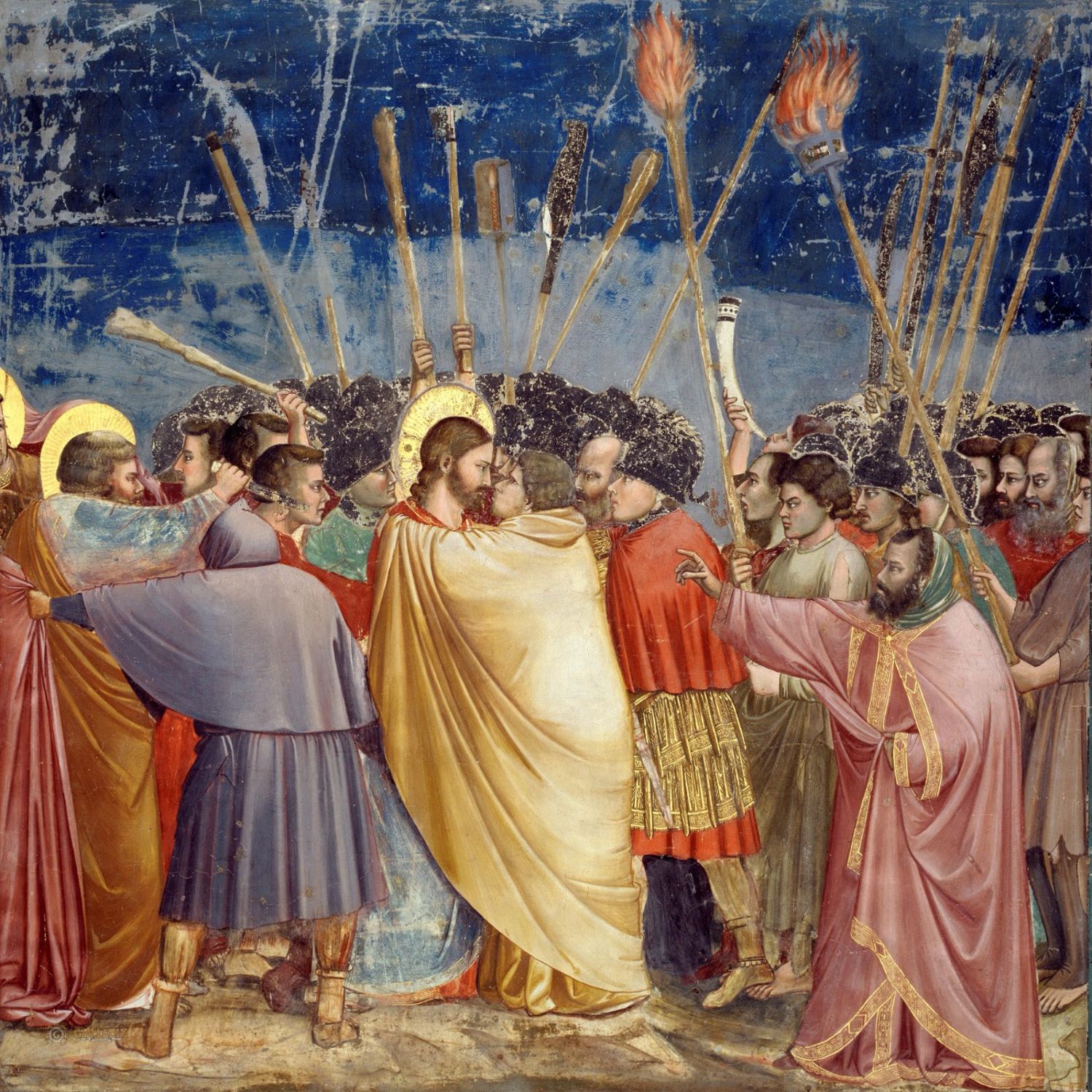
In this episode of the Council of Catholic Men Bible and Catechism Study, we delve into the Book of Acts, Chapter 3, exploring the miraculous healing of a crippled beggar by Peter and John. The discussion highlights the significance of the 3 PM hour, a time of prayer and the hour of Christ's crucifixion, emphasizing the continuity of miracles through the apostles after Pentecost. The conversation also touches on the importance of prayer, the role of the apostles in spreading Christianity, and the enduring power of Christ's miracles in today's world.
We further explore the theological implications of Peter's speech to the Israelites, emphasizing repentance and conversion. The episode also includes a reading from the Catechism of the Catholic Church by Saint Peter Canisius, focusing on the sacraments as external signs of divine grace. The discussion concludes with the inspiring martyrdom stories of Saints Appian and Edesius, whose feast days are celebrated by the Church every year on April 2 and 8, highlighting their unwavering faith and the miraculous events surrounding their deaths. This episode encourages listeners to reflect on the power of faith, the importance of sacraments, and the enduring legacy of the martyrs.
Welcome to Bible study, the Council of Catholic men, Bible and Catechism study. She hears me now. We got a response, so we're live. Alright. Super good. Shall we begin with the prayer, John? Yep. Name of the Father. The name of the Father, Son, and the Holy Spirit. Amen. Our Father, who art in heaven, hallowed be thy name. Thy kingdom come, thy will be done upon earth as it is in heaven. Give us this day our daily bread, and forgive us our trespasses as we forgive those who trespass against us. And lead us not into temptation, but deliver us from evil. Amen.
Alright. So wherever two or more gather in my name, Jesus said, he will be there. So we have more than two. I know we have at least my mom listening in. And, so how how do you wanna begin, John? Should we just start reading? Yeah. Okay. We'll discuss it as we go. Alright. It's the 04/02/2025, just so everyone knows. And we're gonna be reading from the book of Acts chapter three. And, John, how about you read the first part up to verse 11. Okay. Alright. Where it begins with goes from the cure of a crippled beggar to Peter's speech.
[00:01:24] Unknown:
Okay. Okay. Cure of a crippled beggar, chapter three. Now Peter and John were going up to the temple area for the 03:00 hour of prayer. And a man crippled from birth was carried and placed at the gate of the temple called the Beautiful Gate. Everyday to beg for alms from the people who entered the temple. When he saw Peter and John about to go into the temple, he asked for alms. But Peter looked intently at him as did John and said, look at us. He paid attention to them expecting oop. Oops. Sorry. It's alright. Expecting to receive something from them. Peter said, I have neither silver nor gold, but what I do have to give you in the name of our Lord Jesus of Nazarene, rise and walk. Then Peter took him by the right hand and raised him up and immediately his feet and ankles grew strong.
He leaped up, stood, walked around and went into the temple with them, walking and jumping and praising God. When all people saw him walking and praising God, they recognized him as the one who used to sit begging at the beautiful gate of the temple. And they were filled with amazement and astonishment of what happened to him.
[00:02:50] Unknown:
Okay. So what what do you think about that? What strikes you? You you mentioned something about the the beginning.
[00:02:59] Unknown:
Right. When we when we started we started. Right. It was something that stood out to me is is that they had prayers at the 03:00 hour. And so then in my talking to to, I asked, is that how it was? And we do have times of the day that we actually do certain prayers of which were not known to me. So on this one here was a 03:00 prayer. You know, I never ever realized that we had prayers in our faith at 03:00 going on. And Patrick had told us different times of the day that we do and explained it to me before we start. The x the other thing that really hit me on this particular, chapter is that Peter and they actually made miracles after Christ. So Christ's miracles never stopped.
They went on and on. And I would say to this day, there's miracles done in Christ's name or with Christ. So I think that's really important to realize that what was yesterday is today, and it'll also be tomorrow.
[00:04:04] Unknown:
That's what I gather from it. Yeah. And then I'd I'd say another significance of the 03:00 hour. Mhmm. It was that was the time of day when Christ was crucified. Yeah. That's what kinda hit me right between the eyes too. And I had the the
[00:04:20] Unknown:
question I had after that was, will the Muslims have every time of day that they pray towards Mecca? And, even though in this country, we don't do that, it would be something to redo on a personal basis, I do believe.
[00:04:35] Unknown:
Yeah. I I also think this is probably one of the first miracles where after the Pentecost when Peter came when the Holy Spirit came down upon the apostles and the Virgin Mary. Right. And it was saw the beginning of the church where they went out and they preached to everyone and they could Though then again, that is kind of a miracle in and of itself that everyone could hear Right. In their own speech. But as far as a, a miracle that directly relates to healing somebody. Right. The cripple, this this is the first instance of that Mhmm. After the after Pentecost. And I'm gonna read from the footnotes of chapter three up until, ten, which is just before I'm gonna begin reading.
And it says here for chapter three verses one through four, and this also skips ahead to verse 31. It says, this section presents a series of related events. The dramatic cure of a lame beggar produces a large audience for the kerygmatic discourse of Peter, which happens later. And it says, the Sadducees, taking exception to the doctrine of resurrection, have Peter, John, and apparently the beggar as well arrested and brought to trial before the Sanhedrin. The issue concerns the authority by which Peter and John publicly teach religious doctrine in the temple.
Peter replies with a brief summary of the kerygma implying that his authority is prophetic. The court warns the apostles to abandon their practice of invoking prophetic authority in the name of Jesus. When Peter and John reply that the prophetic rule cannot be abandoned to satisfy human objections, the court nevertheless releases them, afraid to do otherwise since the beggar, lame from birth and over 40 years old, is a well known figure in Jerusalem, and the facts of this cure are common property. The narrative concludes with a prayer of the Christian community imploring divine aid against threats of persecution.
So it shows that the authorities of the temple, the Sadducees, were afraid to do anything to him because the people saw the heard about the miracle. Right. Because the man was well known as being a cripple hanging out at the the heavenly gate or the beautiful gate as it's called of the temple.
[00:07:38] Unknown:
The other thing I just thought of is that when the the, apostles went out and were preaching and turning people to Christ Christianity, they went two by two. So here it illustrates that was Peter and John. Yeah. I forgot about that. Yeah. I think that's really just hit me. So Peter and John. Yeah. They evidently were doing their And they were all and they're talking about the resurrection,
[00:08:02] Unknown:
which is significant because it was Peter and John that discovered the tomb empty. Right. Remember that? Right. John wouldn't enter and let Peter go first? Yeah. Yeah.
[00:08:13] Unknown:
So it kinda ties all the way back.
[00:08:16] Unknown:
It's brilliant. Okay. So then this this part here, verse or chapter three verse one, I knew we were talking about the 03:00 hour. Right. For the 03:00 hour of prayer, literally, at the ninth hour of prayer, with the day beginning at 6AM. The ninth of hour of prayer would be 3PM. So day day began at 6AM. And it must have been standard time, not daylight savings time. So that would have been today let's see. It would have been 07:00. Right. Because we're on daylight savings time right now. Right. So 07:00 daylight savings time today. This one here says Peter's speech. Yeah. I know. I'm gonna read that. The r. Okay. Yeah. I'm gonna read that through the I'm doing I'm reading the footnote. Oh, I like the For verse So long. Yeah. We're still we're we're on, Footnotes of the one through 10. Right. Which verse one says, now Peter and John were going up to the temple area for the 03:00 hour of prayer.
So they were attending still still attending the temple. Right. They weren't kicked out yet because later on, they get kicked out, if you read ahead. Okay. Because Right. Because the Right. The Sadducees didn't like the fact that they were preaching there. Mhmm. But they couldn't do anything about it because the people they were afraid of the people. Yeah. When I just got a question. Mary Magdalene was the first one to find the tomb empty. Right. But I don't think she entered the tomb. She she saw that it was rolled back. The stone Mhmm. Was rolled back. She might have looked in there. Right. Maybe. I don't know. Right.
And she might have even seen didn't she see Jesus? I thought she did. Yeah. Yep. But as far as she went to go get she she found it empty, but her first thought was to go get Peter and John. Okay. Peter having precedence. Right. Because Christ said on this rock because he needed it. I will build my church. Right. So and as far as an authority goes, it shows that Peter was an the the top authority of the apostles. Right. Which as Catholics, we believe that Peter Peter was the the prime prime apostle, meaning him as far as, like, primacy of Peter being he was the chief apostle.
Just like Moses was the chief priest with many priests under him, but he was the chief priest. And then after him, Aaron became the chief priest who was under him. Right.
[00:11:18] Unknown:
It's it's ironical that John was the most chosen to Christ.
[00:11:22] Unknown:
Was that Closest. Yeah. Was the closest. And he was at the And at the Court of the cross. He was he he was a witness Right. To the crucifixion.
[00:11:30] Unknown:
Unlike Peter. Peter wasn't there. So there's some sort of even though Peter became the head of the church, John and Peter somehow through the, probably through the time of the Pentecost, you know, received this divine direction and, you know, started the formation.
[00:11:52] Unknown:
Yeah. Yeah. Okay. So I'm gonna begin, one more thing. So footnote, chapter three verses six through 10. The miracle has a dramatic cast, meaning group of people. Right. Peter, John, and the beggar. And the and the purple beggar. And the one that witnessed And the people witnessing and and the Sadducees.
[00:12:17] Unknown:
Right. Which is real important.
[00:12:19] Unknown:
The miracle has a dramatic cast. It symbolizes the saving power of Christ and leads the beggar to enter the temple where he hears Peter's proclamation of salvation through Jesus. Okay. So I'm gonna read the the rest of this Mhmm. Because there's a lot to cover in fifteen minutes here. Because we're we usually do about a half hour of bible study and then the rest is catechism and then a story of the martyrs or of the saints. Okay. Peter's speech, verse 11. Chapter three verse 11 to verse 26. As he clung to Peter and John, all the people hurried in amazement toward them in the portico called saw Solomon's Portico. When Peter saw this, he addressed the people.
You Israelites, why are you amazed at this? And why do you look so intently at us as if we had made him walk by our own power or piety? The God of Abraham, the God of Jake of Isaac, and the God of Jacob, the God of our ancestors has glorified his servant, Jesus, whom you handed over and denied in Pilate's presence when he had decided to release him. You denied the holy and righteous one and asked that a murderer be released to you. The author of life you put to death, but God raised him from the dead. Of this, we are witnesses. And by faith in his name, this man whom you see and know, his name has made strong, and the faith that comes through it has given him this perfect health in the presence of all of you.
Now I know, brothers, that you acted out of ignorance, just as your leaders did. But God has thus brought to fulfillment what he had announced beforehand through the mouth of all the prophets, that his Messiah would suffer. Repent, therefore, and be converted, that your sins may be wiped away, and that the Lord may grant you times of refreshment and send you the Messiah already appointed to you, Jesus, whom heaven must receive until the times of universal restoration of which God spoke through the mouth of his holy prophets from of old.
For Moses said, a prophet like me, will the Lord your God raise up for you from among your own kinsmen. To him, you shall listen in all that he may say to you. Everyone who does not listen to that prophet will be cut off from the people. Moreover, all the prophets who spoke from Samuel and those afterwards also announced these days. You are the children of the prophets and of the covenant that God made with your ancestors. When he said to Abraham, and your offspring, all the families of the earth shall be blessed. For your first, God raised up his servant and sent him to bless you by turning each of you from your evil ways.
So, John, you had to go away for just a moment there and kinda catch what I said. Yeah. I did everything. Yeah. Okay. Good.
[00:16:15] Unknown:
Alright. Do you have any thoughts on that? Well, it's it's ironical that the Sadducee actually saw and witnessed the miracle that Peter and John did, but they did not credit for it. They give credit to God. But it still didn't change them from their idea. And the only thing that protected, like, we had talked earlier, Peter and John from being, demolished by the Sadducees was the other people, the common person that witnessed this. They were so we had talked Sadducees was afraid to do something to them for retribution of the people.
[00:16:54] Unknown:
And the people themselves were astonished. Right. But they accepted it. Right? Is the way They accepted it, but it's he's asking them why are you astonished? Yeah. Because most of them knew Jesus. Yeah. It's like you've seen all the stuff that he's done before. Why why are you astonished that we're able to do it because he's being kind of he's saying, you Israelites, why are you amazed at this? And why do you look so intently at us as if we had made him walk by our own power or piety? That's that was his speech. That was Peter's speech. Why are you amazed? We didn't do this. It was in Christ. And and like you like you had said, they had already seen
[00:17:34] Unknown:
the miracles that Christ did. So the question is that, didn't they not did they not evidently believe then? Because basically, when the when the vote came to the Roman emperor to crucify Christ, they went along with it. Crucify him. Crucify him. You know? And they had seen everything. So it's And then to top it off, they did it at the third hour. Yeah. At the You know, at 03:00. So I think it's important 03:00 hour, maybe a little slight prayer to yourself or maybe the sign of the cross. And, I think that's a a good thing to start with. You know, so that we can get the Holy Spirit more indwell with us for what we say and what we do and what we see and what we believe.
[00:18:23] Unknown:
I'm gonna read from the footnotes. Okay. Because there are a bunch of them. So chapter three verse 13 has glorified through the resurrection and ascension of Jesus, God reversed the judgment against Him on the occasion of His trial. Servant, the Greek word can also be rendered as son or even child. So the word servant can mean son or child here in in Greek. Right. Right. So your son is your servant or your child is your servant. Right. And scholars are of the opinion however, that the original concept reflected in the words identified Jesus with the suffering servant of the Lord of Isaiah chapter 52.
So the servant servant also means son in Isaiah. Right. Okay. Or child. Okay. Verse 14. The holy and righteous one, so designating Jesus emphasizes his special relationship to the father and emphasizes his sinlessness and religious dignity that are placed in sharp contrast with the guilt of those who rejected him in favor of Barabbas. Verse 15, the author of life. Other possible translations of the Greek title are leader of life or pioneer of life. The title clearly points to Jesus as the source and originator of salvation. In verse 17, Ignorance of Lucan motif explaining away the actions not only of the people, but also of their leaders in crucifying Jesus.
On this basis, the presbyters of EnAct could continue to appeal to the Jews in Jerusalem to believe in Jesus, even while affirming their involvement in his death, because they were unaware of his messianic dignity. So they they pleaded, they said, they still saw hope for the people in authority, the leaders of the priesthood. Right. That they could even, after having Christ killed, still be converted Truly. To the true faith. So there's there's always faith. Mhmm. Unlike for Judas, who killed himself. Right. Where it's just like, he despaired.
Yeah. But the leaders were ignorant. So they it it shows that there's there's still a chance that they can redeem themselves and convert to the faith. Just like we say as Catholics, to be converted to the faith, you must be baptized In the faith. Right, and then follow the sacraments of the church Right. Which are the lifeblood of the church. So verse 18, through the mouth of all the prophets, Christian prophetic insight into the Old Testament saw the crucifixion and death of Jesus as the main import of messianic prophecy. The Jews themselves did not anticipate a suffering messiah. They usually understood the servant song of Isaiah 52 to signify their own suffering as a people.
In his typical fashion, Luke does not specify the particular Old Testament prophecies that were fulfilled by Jesus. Verse 20, the Lord and send you the Messiah already appointed to you, Jesus, an allusion to the or second coming of Jesus of Christ, Judged to be imminent in the apostolic age, this reference to its nearness is the only explicit one in Acts. Some scholars believe that this verse preserves a very early Christology in which the title Messiah, Christ in Greek, Christ is applied to him as of his, his second coming. This view of a future messiahship of Jesus is not found elsewhere in the New Testament.
So it's showing that he's going to come again. Right. Like we say Christ has died, Christ is risen, Christ will come again. To Jesus, yeah. Yeah, during the Eucharistic prayer. Yep.
[00:23:28] Unknown:
Yep.
[00:23:30] Unknown:
And verse 22, a loose citation of Deuteronomy 18 verse 15, which teaches that the Israelites are to learn the will of Yahweh that no one but their prophets from no one but their prophets. At the time of Jesus, some Jews expected a unique prophet to come in fulfillment of this text. Early Christianity applied this tradition and text to Jesus and used them especially in defense of the divergence of Christian teaching from traditional Judaism. So that the prophetship well, I'll read that verse. It's verse 22. Verse 22 is when Moses said for Moses said, a prophet like me will like me will the Lord your God raise up for you from among your kinsmen, which would be David's here house. Yep.
To him, you shall listen in all that he may say to you. Everyone who does not listen to that prophet will be cut off from the people. So that's that's quite the statement there Yep. From Deuteronomy. A prophet like me will the lord your god raise up for you from among your own kin kinsmen. To him, you shall listen in all that he may say to you. Everyone who does not listen to that prophet will be cut off from the people.
[00:25:15] Unknown:
So what are your thoughts on this, John? Do you have any particular A little bit of confusion for myself on the back end of this where we're talking about David and, people not recognizing, Christ
[00:25:30] Unknown:
As the fulfillment of that prophecy. And another one will come.
[00:25:34] Unknown:
You know, to me, it's I I just kinda got got lost there as far as what they were saying.
[00:25:42] Unknown:
That God made his first covenant, the old covenant. The the old law Right. With Moses. Right. Which the old law is how they should behave Right. With the 10 commandments. Right. Okay. And that they should fear God's punishment, his affliction. Right. Which could mean evil. Right. Evil would come to them if they disobeyed God. Right. So the old law is one of fear. Okay. And he promises even after giving that covenant to Moses, the promise of a prophet to come, who'd who would come amongst his kinsmen, which would come through David. Right. The house of David.
And you shall listen to all that he says. And if you don't, you'll be cut off from the people, which means God's people. God's chosen people that he brings into paradise at the end of their life. My enlightenment
[00:26:47] Unknown:
from when I was young to today is that when I was living in the fear of God, so that if I did something wrong, I was gonna be punished for it. Right. Then then through time, looking at the new testament, I found it's not the fear of God, it's the love of God. The love of God, the mercy of God. Right. Just as just as these So so I couldn't I couldn't understand that, but I couldn't understand myself within the fear of God when I was trying to do everything I could. But as being human,
[00:27:16] Unknown:
you know, you you you don't you try to light it. Well, before Christ came, that's all they had Yeah. To go by it. And the ones that that lived in the fear of God Right. All their all of their lives ended up being with the patriarchs that went with Christ during the resurrection into heaven. They accept the new covenant. And they accepted him when he came to them. And a lot of them They were ready for it. A lot of them didn't to this day. Right. Jewish people. Right. And and
[00:27:45] Unknown:
exactly. A lot of But that's where we start. That's where we came from because Christ himself was a Jewish. You know, so
[00:27:53] Unknown:
Right. In the kinsmen of David. In the yeah. Yeah. Up until his time. And then when he came, they were those kinsmen were divided amongst themselves. The ones that accepted him and followed him were his disciples, and the ones who rejected him went to Pilate and said, crucify this man. He's a false prophet. He's not the prophet that Moses was promising.
[00:28:16] Unknown:
Yeah. This is so much that I can actually
[00:28:19] Unknown:
go out into my mind. But Yeah. What Peter was preaching Yeah. To them after they had had him killed was there's a chance for your for God's mercy to still be upon them because he forgives them for they not know not what they do. They do. Yeah. So I said, except In that third hour when he was crucified. Right. They were in the In the three PM. It's actually the ninth hour. But Exactly.
[00:28:42] Unknown:
Yeah. Yeah. Yeah. So
[00:28:44] Unknown:
let's let's end here, and we'll we'll read chapter four next week. Sounds good. And I like this. We we're at a slower pace. We're not trying to rush rush through the chapters. But, like, last week, we read two chapters, and it was very rushed. And I I got some advice. So yeah. And then fear the Old Testament fear was losing God's favor, losing his love. Right. That's why there's such an emphasis in the Old Testament of them losing his favor when they went against his went against his commandments. Right. And he would afflict them.
And even like in Jonah, the story of Jonah and the whale, just the fact that he warned the people of Nineveh that God was gonna punish them for for their behavior. They immediately repented and and God forgave them and didn't do that to them, didn't afflict them. So it's a precursor to Christ coming. Right. Like everything in the old testament is is awaiting for Christ to appear and and suffer and die and be resurrected.
[00:29:56] Unknown:
Right. It's the bigger plan you might want. The bigger plan. Yeah.
[00:30:00] Unknown:
So now I'm gonna read from the catechism of the Catholic Church of Saint Peter Canisius, who was a Dutch saint. He was a Jesuit. He's considered a doctor of the church. He's one of the most famous Dutch saints, and he's his book, The Catechism of the Catholic Church, is the most most public, most the best seller of any book besides the Bible in Dutch language. Wow. And it hasn't been given enough respect to be translated into modern language. Mhmm. And that's why the only copy I I could find find of it is in this older language, in older English. Okay.
So that that explains why when I'm gonna read from this, it's a little bit more difficult to understand. Okay. Because it hasn't been given the respect it deserves in being translated into a modern way of understanding it. Maybe I'll do it someday. Maybe I'll go go through it. And try and update it. But okay, so we're gonna read about the sacraments. The last part that I read from was about the precepts of the church and tradition and also the commandments. So this is we we finished on the commandments of the church, which the commandments are what we view as our faith and our understanding of of charity and the church and what it means.
And now we're gonna read about the sacraments. So of the sacraments in general, why are Christians to be instructed about the sacraments? Because the knowledge and use of the sacraments brings to pass that Christians having by the merits of Jesus Christ received grace, which is given by the sacraments, may be rightly exercised and preserved and set forward in divine worship. What in of how many sorts is this divine worship? That is called divine worship, which a Christian owes and yields as the highest and chief service to God in his creator and savior.
For there is no doubt, but that for this cause especially was man at the at first made, and afterwards redeemed. And unto his this holy designed and appointed that he might purely and perfectly serve and worship almighty God. So the divine worship, this is now divine worship is of two sorts, interior divine worship Mhmm. And exterior divine worship. The interior by which we are in understanding and in in in will join to God. So by our faith and our acting out on our faith, are we joined to God? Right. So our understanding and our will Yep. Is accomplished by faith, hope, and charity.
As it's been said before in previous chapters, the exterior is a certain profession of the interior, which we declare by certain outward and visible signs and ceremonies. Mhmm. Sacraments. Right. For God that has no need of any good of ours, as being of himself blessed and wholly perfect, yet at his pleasure was the whole man was was that the whole man should consist both of a body and a soul. So does he require the same again wholly to wit accordingly according to all and every part of him, that he may, by him, be worshiped studiously and sincerely.
First, in soul, according to the interior worship as we've declared, and in body according to the exterior joined to the interior, which is done many ways, but principally and most profitably by the use of sacraments. For so it has seemed good to the wisdom of God to coapt himself to the imbecility of mortal men and to exercise his might and power by certain external things and signs that may be perceived by the senses. For our mind and ours and soul immortal, being enclosed in this obscure and brittle body as in a prison, does very much use the service of the senses.
And without the help of them, she does not commonly mount to the conception of heavenly things. Therefore, both in the old and new law, sacraments, and many other things appertaining to exterior worship have been by god ordained and always by the people of god observed. That's really good. So it's always been observed by the people of god from the time of Adam to now.
[00:36:10] Unknown:
Yep. Plus it gives me a lot of enlightenment because it ties in the, the, the Old Testament with the New Testament being that one is, you know, following through with the other. Because what would the New Testament be without the Old Testament? That's right. Because they're one one they came from God, both of them, you know, helps us have our meaning. So I think that's really
[00:36:34] Unknown:
great. And he gave us a soul, an immortal soul, which is the interior Right. Of of our existence.
[00:36:43] Unknown:
Yeah. I mean, and and life begins at the moment of it of creation. I mean, it doesn't begin three days later. It doesn't begin four days later for a baby. So that's why our faith is so strong on that. That's why it's stronger than it's ever been now.
[00:36:58] Unknown:
Yeah. And when the body is part of the soul. I mean, it it it is not just a part of the soul. It's it's what they what, who was it? It was a Greek philosopher that really nailed it. It I think it might have been either Plato or Aristotle Yep. That the the the body
[00:37:24] Unknown:
the the The body should reflect the soul, and soul is part of the body. Right?
[00:37:32] Unknown:
Right. And it says it says here, for our mind and our and soul immortal being enclosed in this obscure and brittle body as in a prison, does does very much use the service of the senses, and without the help of them, she does not commonly mount to the conception of heavenly things. So senses So it's by the body that we know the soul. Right. And I think what that Greek philosopher said was the body is the form of the soul.
[00:38:05] Unknown:
Could you look at the soul being nurtured by the sacraments?
[00:38:10] Unknown:
Yeah. Yeah. Which are external which are visible things that you tied back into the interior. Exactly. Right. So like like I was saying about the body being the form of the soul. Right. Like, there's not a part of your body that your soul isn't part of. Okay. There isn't isn't
[00:38:29] Unknown:
in possession of it. A lot of this this sounds a lot of people who have have a limb missing still feel the limb and even if it's been taken away from for whatever reason it might be. I've heard that more than once.
[00:38:42] Unknown:
Yeah. You know? And that we're mortal men and that our body's brittle like it said as in a prison. Right. So So it's like you're you're you're imprisoned by your disability. Your disability. What we're you're not able to do. But because we're not we're not disembodied souls like the angels. Nourishment
[00:38:59] Unknown:
through the sacraments.
[00:39:01] Unknown:
Just as our body needs nourishment So does it. So does the soul even more. Yeah. Because the soul supersedes the body. It's like superior. Because we go on.
[00:39:14] Unknown:
Yeah. That's that answers a lot of questions to a lot of questions I get. Yeah.
[00:39:21] Unknown:
I think we'll read yeah. We'll keep going. So let's see. We're gonna read about what a sacrament is. What is a sacrament? It is an external invisible sign of divine and invisible grace. And it is an ex a sacrament is an external invisible sign of divine and invisible grace instituted by Christ. That by it, every man may recognize the grace of God and sanctification. And therefore, they are not every manner of signs that are called the sacraments of the church, but they are most certain holy and effectual signs commended onto Christians by God's own institution and promise.
Signs they are in that by a certain external form and similitude, they do not they do represent and declare unto us that which God by them worketh in us invisibly and spiritually. Certain they are, and most holy and effectual signs, because that look what grace they signify, they do also infallibly contain and cause the same to our sanctification. For the sacraments for their own part, as Saint Cyprian speaks, cannot be void of that force and virtue that is proper to them. Neither does the majesty of God by any means by any means absent itself from from the mysteries, though they be ministered even by wicked people and unworthy persons.
So even wicked and unworthy persons can administer the sacraments, where and you receive them worthily Right. Despite the fact of what the evil deeds of the people that administered administered them did. Because your soul belongs to God. Right. And and he uses them as instruments, even uses bad people as instruments for his greater good. Yep. And this the sacraments are a sign of that. As for example, in the sacrament of baptism, the exterior washing that cleanseth the filth of the body is an effectual sign and token of the interior washing as giving giving giving an infallible testimony that the soul is spiritually purified and cleansed.
So also, other visible and external things as oil and the forms of bread and wine. The use thereof is necessary in the sacraments. Are fitly appointed unto us both to signify and also to yield unto man the grace of God and the health of his soul, so that he come not unworthily there unto. For by baptism, we are regenerated and renewed. By confirmation, we are increased and strengthened. By the Holy Spirit, we are nourished and refreshed, refreshed. By penance, we are restored and healed in the spiritual life in which we are by the rest of the sacraments in like manner, accordingly to the nature and quality of each of them, helped and bettered as we will show hereafter in their due places.
You have any questions about this?
[00:43:07] Unknown:
It's a bit Well, probably a statement is that fact that being I'm I I I believe in the sacraments very strongly. And it kinda really does set aside to me when people that are close to me aren't baptizing their children or they're not getting married in the church or even buried from the church. It it weighs heavy on my soul
[00:43:34] Unknown:
You know? Like you wanna let them know about it. Yeah. Because it's important important to you, their interior life. Right. And And their It's What they do. You can talk I mean, you can talk to your blue in the face.
[00:43:46] Unknown:
Yeah. But you gotta just have faith and pray, I guess. Just Just like the Eucharist
[00:43:51] Unknown:
is made up of these exterior things, the bread and the wine. Right. They they rep they are the body and blood, soul, and divinity of Jesus Christ. Right. They no longer are bread and wine, but they become The body and blood. The body and blood of Christ. Right. Even though they look visibly to our mortal minds and our bodies, you know, from what we perceive to be just bread and wine. But it's not. It's something greater than that. And it's that it and the thing of it is, those two things are there to nourish us. Right. And give us strength so that we don't fall into sin, into a life of of just worthlessness of an because and sinfulness will will lead us to destruction.
[00:44:39] Unknown:
Right.
[00:44:40] Unknown:
Right. And the and the sacraments are given to us to maintain our our spiritual health as well as our bodily health. And our spiritual health is more important than even our bodily health. Like, we can be without limbs, we can be sick, all these things. But what's really important is the soul. At the time of our death is our the condition of our souls. Yeah. Yeah. Now we've nourished that. Like, wicked people can take away all of that from us. Mhmm. But they can't take our souls. But they can't take our souls. Just like a wicked person can administer those things to us. Right. And it doesn't transfer their wickedness doesn't transfer through those into us. Into our souls. Because they come from God. Yeah.
The source of the Eucharist is God. It's not those people. Right. Those those fallen people. Same with baptism and all the other sacraments. They all give grace. So I'll read this last part and then we'll read something from the victories of the murders. I think we've got a little enough time. Of what parts does every sacrament consist? Of the word and the element. By the word in this place, understand some certain determinant words wherein the very form, as they call it, of the sacrament does consist, and by the element, conceive such external things, as are the very matter of the sacraments, as water, oil, bread, wine, and the like.
Now to these parts exactly taken are the rest of those things. The next, which do belong to the fit, ministering, and worthy receiving of every sacrament to wit, The institution of God, a convenient minister, a right intention in this minister, faith in the receiver, and who whatsoever else of like sort. So you those conditions, like, the institution of God, which is the sacrament itself, and then a minister of that sacrament, which is normally a priest, but can be anybody when it comes to baptism. Right. Even a heretic. Right. A right intention of the minister, meaning they have to intend to do what the church teaches for that sacrament, what god commanded with through Christ that we do, like, baptizing in the with water in the name of the father, son, and holy spirit.
[00:47:19] Unknown:
It's kinda like on what I'm thinking is is that your soul and the nourishment of the soul may be contrary to what is happening to your body. And so, like, extra monsoon, you've already received that, the holy oil, and the blessing from the priest. And it depends on if there's no dependent on it, you're washed away your sins.
[00:47:45] Unknown:
And usually, that's administered when you're close to death. Yeah. But Or you're in sickness. Well, yeah. It it can be administered at any given time. I mean, I receive it all Sure. I mean, we can for that matter, we can die at any moment. I was in the hospital and I received it. And,
[00:48:02] Unknown:
it really made me not have helped me yeah. Well, I'm here, you know, but it was a divine a divine thing that happened to me during the time of the extra luncheon, which wasn't a normal extra luncheon done by a priest. But afterwards, you go away uplifted just like on some time communion. You receive communion and you feel better afterwards. It's like nursing it.
[00:48:32] Unknown:
Especially yeah. And you and there's certain conditions to receive communion too. Like, you should be you you you must be baptized
[00:48:41] Unknown:
Right. And confirmed. And I've been praying
[00:48:44] Unknown:
so that Or no. Not confirmed. You don't have to be confirmed, but baptized. Baptized. Yeah. And in the state of grace. Saint Pauline. There's different types of baptism.
[00:48:55] Unknown:
I mean, I I was thinking before we started the Sunday sacraments, I was thinking about abortion and all those babies that are aborted. And isn't that not a baptism of blood?
[00:49:07] Unknown:
Yeah. The argument could be made. Paid for that. Yeah. Yeah. So speaking of baptism of blood.
[00:49:15] Unknown:
It's more. Okay. You go ahead and get that. Okay.
[00:49:18] Unknown:
I can hear you. Yep. So I'm gonna read from the lives of the martyrs. So this is Saint Alphonsus de Ligori victories of the martyrs or the lives of the most celebrated martyrs of the church. And today is April 2, so we're gonna read from chapter 32. And it's about Saint Appian and Saint Edesis, and they were brothers. So in their feast days are April 2 and April 8. Saint Appian was born in Lycia of rich and noble parents who sent him to Berithus to study the humanities. And notwithstanding that the youths of that city were exceedingly corrupt, Appian preserved himself from contamination.
Being 18 years of age, he returned to his father's house, but finding that the family had continued idolaters. He retired to Caesarea in Palestine, where he was most hospitably received into the house of the celebrated Usaybius Usaybius, who afterwards became Bishop of that city. Under this great master, he studied the sacred scriptures and practiced those austerities that prepared him for the glorious end which he made. At this time in the year 03/2006, the emperor, Galerius Maximeon, was not only persecuting the Christians, but searching for them with the greatest scrutiny.
He caused the families to be enrolled and each individual to be summoned that he might either sacrifice or be put to death. Appian prepared himself for this trial, and having understood that the governor was about to offer a solemn sacrifice to the gods, he went on the appointed day to the temple. Finding himself influenced by a special inspiration from heaven, he passed the guards, approached the impious altar, and while the governor was raising his hand to pour out a libration of wine before the idol, he seized his arm and earnestly extorted him to detest from the impiety of offending the true God by sacrificing to demons and images.
The soldiers rushed upon Appian as though they would tear him to pieces, and having beaten him most cruelly, brought him to prison where they put him to the torture of the stocks for four four and twenty hours. Oh, okay. Well Upon the following day, he was brought before the governor. Call me when you leave the house, sir. Maybe he wants to come get some way or something. Okay.
[00:52:29] Unknown:
K. Bye.
[00:52:35] Unknown:
Sorry, John. I don't know I don't know what you might have missed there. No, I
[00:52:39] Unknown:
I had a problem there. That's okay. Is everything okay? Yeah, everything's fine. She's Okay, good.
[00:52:46] Unknown:
So the governor was in the middle of putting a libration before the the idol and Saint Appian grabbed his arm and said, don't do it. Don't offend the true God by sacrificing to demons and images. Okay. He slipped past the guards, got up to where the governor was sacrificing to demons, and told him not to do it. And then it says the soldiers rushed upon Appian as though they would tear him to pieces. And having beaten him most cruelly, brought him to prison where they put him to torture of the stocks for four and twenty hours. Upon the following day, he was brought before the governor, who having in vain sought to gain him over by promises and threats, ordered that his sides should be torn with iron hooks until the bones and balls should be laid bare.
He was then buffeted upon the face until he became so deformed that he could not be identified by those who had formerly known him. The tyrant, perceiving that these torments made no impression upon the saint, caused linen steeped in oil to be rolled around his legs and then to be set on fire. It is easy to conceive that the saint suffered the most excruciating torture from the new infliction. He yet he endured it with undiminished fortitude. The governor, after three days, finding him armed with the same consist constancy, ordered him to be thrown into the sea.
Usayabaeus, the eyewitness, relates that upon the execution of this sentence, the city was shaken with an earthquake, and the sea became violently agitated and cast the body back upon the shore before the gates of Caesarea. Saint Appian was not quite 29 years of age at the time of his martyrdom, which took place in the year 03/2006 on the second, or as some would have it, on the third of fifth of April. Saint Odysseus, who was the brother of Saint Appian, not only according to the flesh, but equally so in faith and piety, also applied himself to the study of philosophy, which served to separate him still more from the world and unite him to Jesus Christ.
In the same persecution, he's he frequently confessed his adorable name and suffered long imprisonment and various punishments, which he endured with Christian fortitude. He was sent to labor in the mines of Palestine, from which he was subsequently released. But finally, one day in Alexandria, perceiving a judge pronouncing cruel sentences against the Christians and delivering over holy virgins to the lusts of abandoned young men, he went forward and spoke with such force against these acts of injustice that Us Usabius says, he covered the persecutors with confusion, and received from them the crown of martyrdom.
Like his brother, he was horribly tortured, and afterwards, cast into the sea. And that ends our broadcast. We'll end with the hail Mary, in the name of the Father, Son, and the Holy Spirit. Amen. Hail Mary, full of grace, the Lord is with thee. Blessed art thou amongst women, and blessed is the fruit of thy womb, Jesus. Holy Mary, mother of God, pray for us sinners, now and at the hour of our death. Amen.
[00:56:30] Unknown:
Thank you.
[00:56:31] Unknown:
Thanks, Patrick. Yep. Thank you. And what's interesting about that, it just said that there was an earthquake. You heard that part? Oh, yeah. So that he was he was put into the sea and the city was shaken with an earthquake. And he was And the sea became violently agitated. And threw it up against the I just heard there was an earthquake in in New York. Yeah. I see that already. Did you hear about that? Yeah. Yeah. It's in this on his feast day, which is today.
[00:57:00] Unknown:
Oh, goosebumps. Goosebumps. Yeah. Yeah. Yeah. Wow. That's powerful. Yep. Well, they they can give us courage.
[00:57:09] Unknown:
And our country is doing terrible things to Palestine. And I think that's probably a sign to us that we need to stop supporting that. And this is the same place where he was martyred.
[00:57:22] Unknown:
You know, I'm really glad that we're reading that saint, you know, like we are now because it's something that you won't have to hear every day or every week at church or
[00:57:30] Unknown:
even in my own readings, I don't come across that. Yeah. It's not not that often. So I'm gonna stop recording now. Oh, okay.
Introduction and Opening Prayer
Reading from Acts Chapter 3
Discussion on the Miracle of the Crippled Beggar
Peter and John's Trial Before the Sanhedrin
Peter's Speech at Solomon's Portico
Interpretation of Old Testament Prophecies
Catechism Reading on Sacraments
Discussion on the Importance of Sacraments
Lives of the Martyrs: Saint Appian and Saint Edesis